What Culturally Affirming Care Really Means — And Why It Matters
Calvinpegus
August 5, 2025
Blog
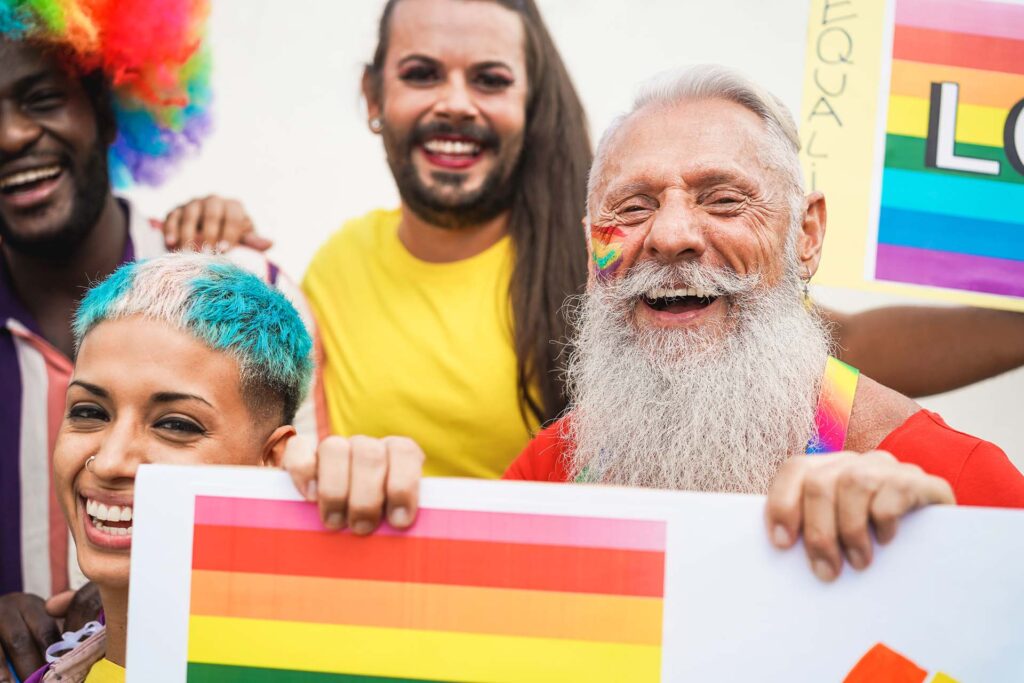
Culturally affirming care goes beyond tolerance or awareness — it’s about honoring the full identity of each person receiving support. For LGBTQ+ and BIPOC elders, care that truly affirms who they are includes understanding their lived experiences, respecting their chosen family structures, and creating environments where they feel seen, safe, and valued. It means recognizing that identity isn’t a checkbox, but a vital part of how someone experiences aging, healing, and community. When care reflects culture, story, and belonging, it becomes not just service — but solidarity.
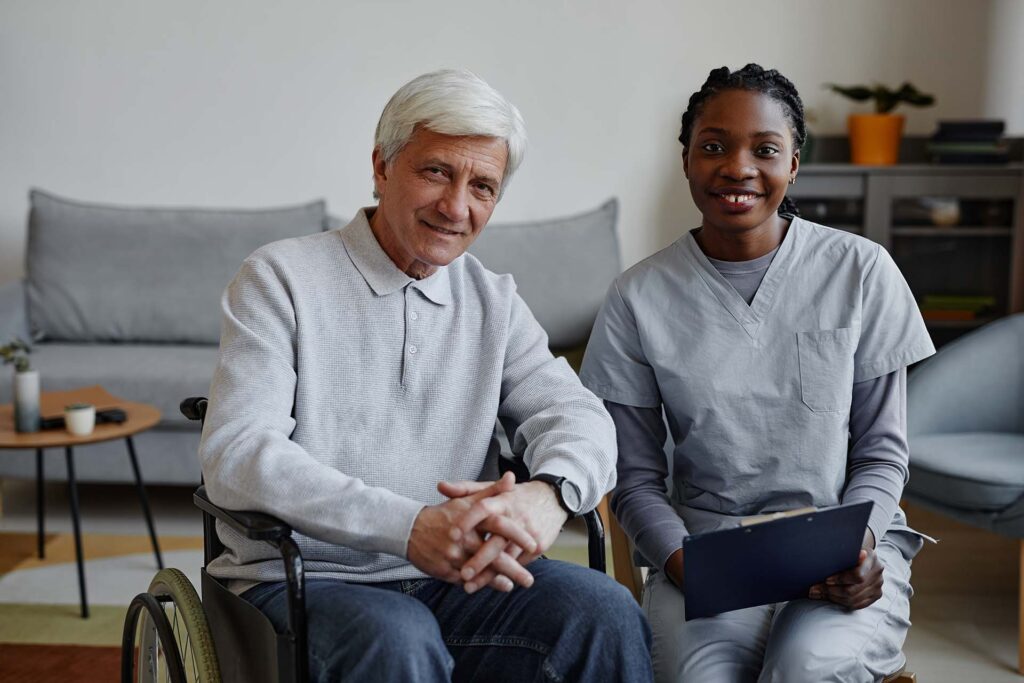
Unfortunately, many traditional care systems weren’t built with inclusivity in mind. LGBTQ+ elders often carry histories of discrimination in healthcare, while BIPOC communities continue to face systemic barriers and cultural disconnects in aging services. Culturally affirming care actively works to repair that harm — by listening deeply, adapting with intention, and creating space for every person’s voice to matter. It’s not just about doing better; it’s about doing care differently, in ways that reflect justice, dignity, and true belonging.
Culturally affirming care recognizes that identity is not an obstacle to overcome, but a truth to honor. When we care through the lens of lived experience, we don’t just serve — we connect.
Tanya Ellis , Inclusive Care Educator
Implementing culturally affirming care starts with a willingness to unlearn, listen, and adapt. It means creating policies that respect chosen families, using inclusive language, and recognizing the impact of trauma and resilience in each person’s story. Whether you’re a caregiver, provider, or ally, culturally affirming care invites you to move with empathy and humility — not assuming, but asking. Not prescribing, but partnering. And in doing so, we begin to reshape what aging with dignity truly looks like.